
Walk & Talk Therapy
Outside in Kingston, NY and the surrounding Hudson Valley
Therapy that happens outside the office—because sometimes it’s easier to process things when you’re moving instead of sitting still.
Sometimes sitting in an office talking about your feelings feels like the last thing you want to do.
Especially when:
your anxiety is high
your nervous system feels overloaded
you’ve been stuck in your head for too long
or you just feel restless, disconnected, or emotionally shut down
A lot of people find it easier to talk while walking.
There’s less pressure.
Less intensity.
Less feeling like you’re being stared at across a room or a computer screen.
And usually movement helps things come up more naturally than sitting still trying to “figure yourself out.”
When you’re overwhelmed, stuck, or emotionally overloaded, your whole system feels it.
You might notice:
your thoughts spiraling
feeling emotionally stuck or numb
difficulty slowing your brain down
feeling disconnected from yourself or your body
that weird trapped feeling where everything feels heavy and stagnant
And for a lot of high-functioning women, sitting still and talking harder about it doesn’t always help.
Walk & Talk therapy creates a different kind of space—one that can feel more natural, grounding, and easier to actually open up in.
Therapy that helps you move- physically and emotionally.
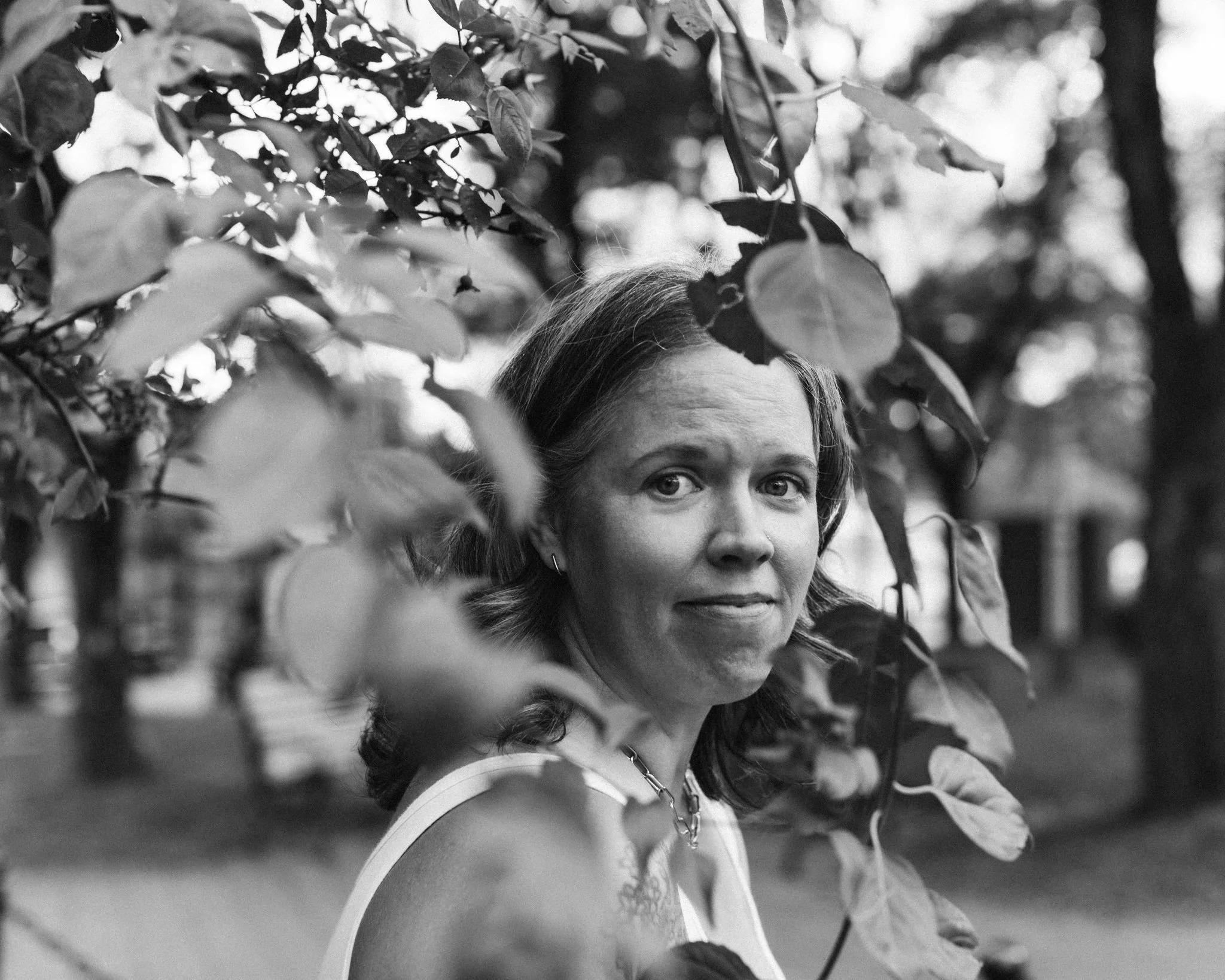
Walk & Talk therapy combines traditional therapy with movement and time outdoors.
Sessions take place while walking together in the Hudson Valley (there are lots of great paths within 20 minutes of Kingston, NY), allowing your body and nervous system to participate in the process too—not just your brain.
For many people, this can:
reduce the intensity of anxiety
help thoughts feel clearer and less tangled
make difficult conversations feel more approachable
create a greater sense of grounding and emotional regulation
help you feel more connected to yourself while processing what’s going on
This isn’t about pretending a walk magically solves everything or that fresh air cures anxiety.
It’s about getting out of the environment where you’ve been stuck in your head long enough to think more clearly, process what’s going on, and actually breathe a little.
My approach to Walk & Talk therapy is relaxed, grounded, and very human.
We’re not hiking mountains (at least not usually) or trying to get a heavy workout in.
We’re having real conversations while moving through a space that often helps people feel calmer, clearer, and more open than they do sitting in an office.
I integrate approaches like EMDR, IFS, and nervous system-focused work into sessions depending on what you need.
For many clients, Walk & Talk therapy feels less formal, less pressured, and more natural—which can make it easier to process anxiety, life transitions, grief, identity shifts, and overwhelm in a way that actually feels accessible.
Walk & Talk therapy can help you:
Feel less trapped in your head while processing difficult emotions
Calm your nervous system while talking through anxiety and overwhelm
Feel more grounded, clear, and emotionally connected
Open up more naturally than you might in a traditional office setting
Untangle spiraling thoughts while physically moving through them
Feel less emotionally “stuck” or shut down
Experience therapy in a way that feels more relaxed, human, and accessible
Sometimes your nervous system needs movement, fresh air, and a real conversation—not another hour trapped in your own head.
FREQUENTLY ASKED QUESTIONS:
-
Yes—especially for people who feel stuck in their heads, overwhelmed, or emotionally overloaded. Movement and being outside can help regulate the nervous system, reduce the intensity of anxiety, and make it easier to process thoughts and emotions. Many people find they think more clearly and feel less emotionally stuck while walking than they do sitting in an office or on a computer screen.
-
Walk & Talk sessions take place outdoors in the Hudson Valley at locations we decide on together based on comfort, accessibility, and privacy. I typically choose quieter walking paths, trails or parks that allow for movement and conversation without feeling overly crowded or exposed.
-
For many people, yes—sometimes even more effective. Some clients feel more relaxed, more open, and less pressured while walking side-by-side instead of sitting face-to-face in an office or over a computer. Walk & Talk therapy can be especially helpful for anxiety, overwhelm, life transitions, grief, and feeling emotionally “stuck.”
-
Honestly, a lot of people worry about this at first. But most clients settle into it pretty quickly and end up feeling more natural and comfortable than they expected. There’s less pressure to maintain eye contact or “perform” in the way therapy can sometimes feel in an office setting.
We will meet online first to get to know eachother a bit, and I can answer any questions you might have then.
-
Walk & Talk therapy looks a lot like a traditional therapy session—just outdoors and in motion. We’ll walk at a comfortable pace while talking through whatever’s coming up for you. Some sessions feel reflective and calm, others emotional or deeper-processing, just like office therapy. The biggest difference is often how much more grounded, open, and relaxed people feel while moving.
-
Research suggests that both movement and time outdoors can support emotional regulation, reduce stress, and improve overall mental well-being. Walk & Talk therapy combines those benefits with traditional psychotherapy, which can make it especially helpful for anxiety, overwhelm, stress, and feeling emotionally “stuck.” Many clients find they feel more relaxed, open, and able to process things more naturally while walking than they do sitting in an office.